Aligning Athlete Preparation Data with Competitive Demands: Strategies for Decision-Making in Team Sports
Written by Anna Peters · Jun 27, 2026
Aligning Athlete Preparation Data with Competitive Demands: Strategies for Decision-Making in Team Sports
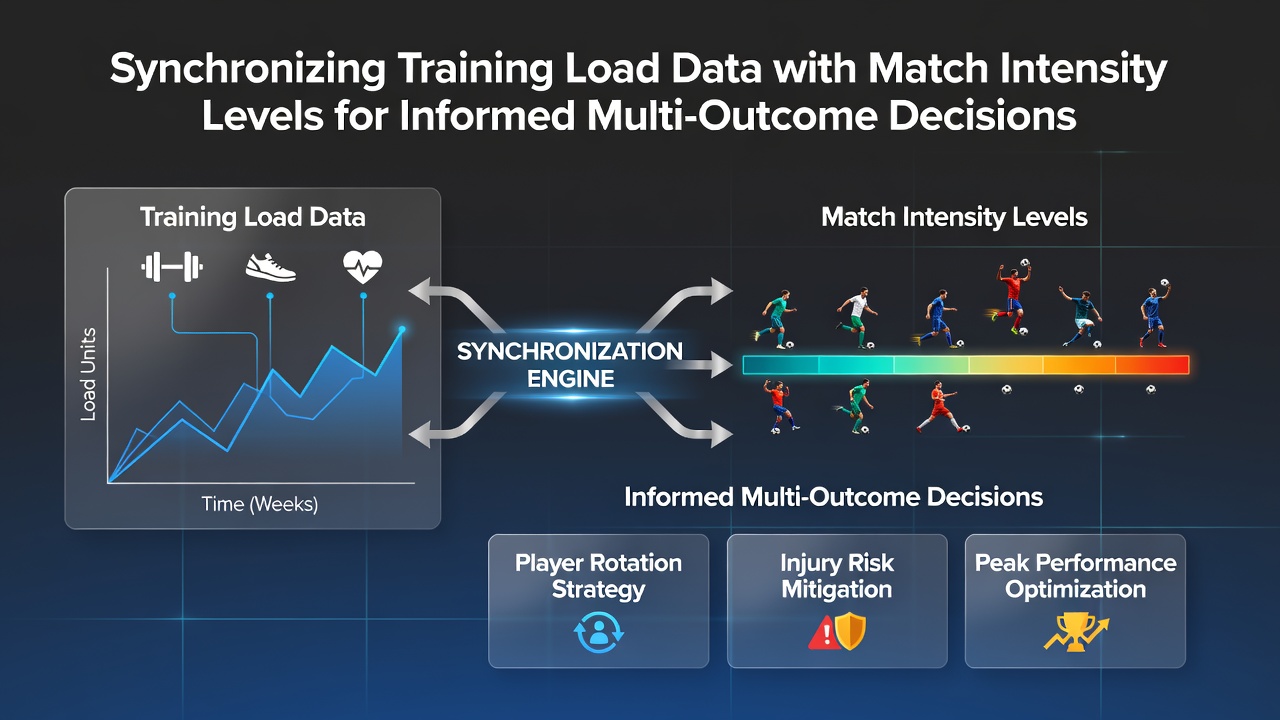
Teams across professional leagues now integrate wearable sensor outputs from training sessions with real-time match metrics collected through GPS units, heart rate monitors, and accelerometers, creating unified datasets that support choices around player rotation, recovery protocols, and tactical adjustments. Researchers at institutions such as the Australian Institute of Sport have documented how these combined streams allow staff to compare cumulative workloads against peak intensity periods observed during actual competition, revealing patterns that influence selections for upcoming fixtures.
Core Components of Data Alignment
Training load typically encompasses external measures like total distance covered, high-speed running distances, and acceleration counts alongside internal indicators such as session RPE scores and heart rate variability, while match intensity levels focus on explosive efforts, repeated sprint sequences, and positional demands recorded during games. Synchronization occurs when analysts map these variables onto shared timelines using software platforms that normalize units and flag discrepancies between planned drills and observed competition stresses, enabling precise calibration of future sessions.
One study published in the Journal of Sports Sciences examined elite soccer squads and found that aligning weekly training impulses with average match demands reduced instances of acute load spikes by measurable margins. Staff achieve this by segmenting matches into phases like build-up play, transitions, and set pieces, then replicating similar intensity distributions in controlled environments through small-sided games or position-specific drills that mirror those segments.
Applications in Multi-Outcome Scenarios
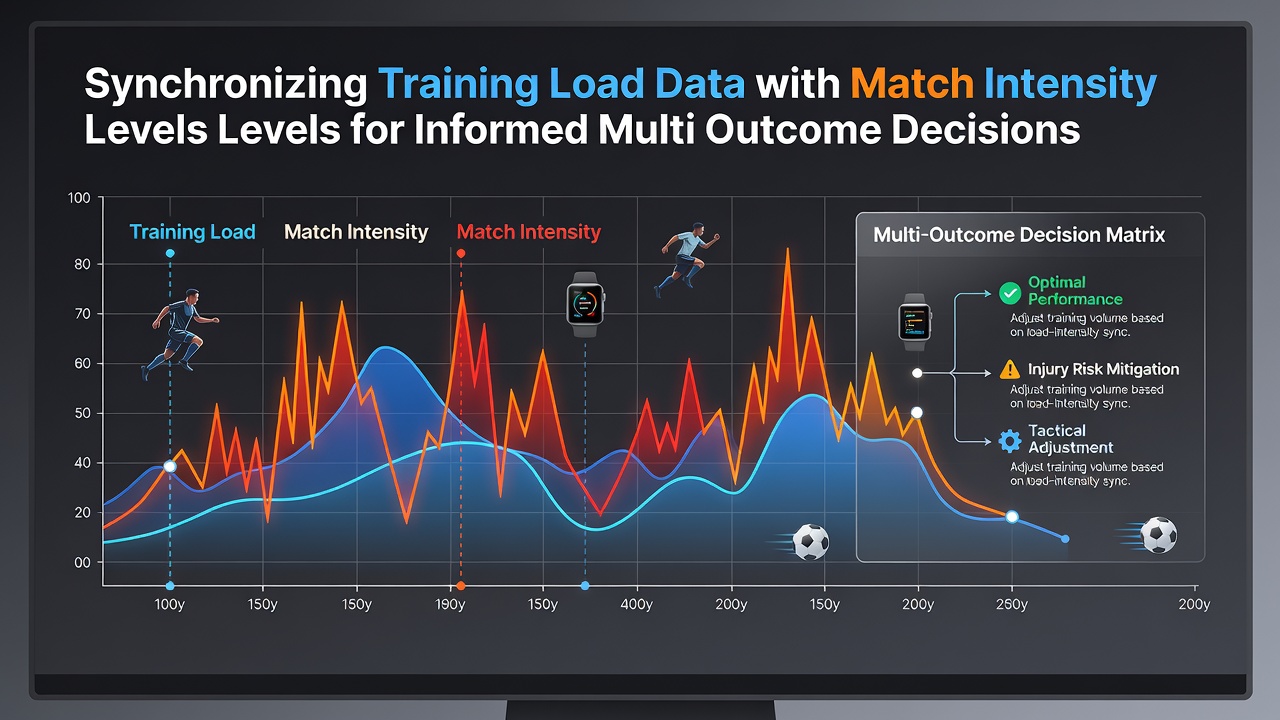
Coaches and performance analysts draw on synchronized datasets when weighing options that affect several results simultaneously, such as balancing immediate match readiness against longer-term injury risk mitigation or squad depth management across congested calendars. Data from European club competitions in early 2026 illustrated how teams adjusted midweek training volumes after reviewing high-intensity outputs from weekend fixtures, preserving freshness for midweek European ties while maintaining development targets for younger players.
Figures from the NCAA Division I athletic programs show similar approaches in basketball and soccer, where load-matching protocols helped staff determine which athletes could handle back-to-back high-demand games versus those requiring modified minutes. The process involves establishing individualized baselines derived from historical match data, then applying thresholds that trigger alerts when projected training loads deviate from competition equivalents by set percentages.
Technological Integration and Recent Developments
Cloud-based platforms now allow seamless merging of training and match files from multiple vendors, with algorithms that automatically detect intensity zones and generate comparative reports within hours of game completion. In June 2026 several top clubs reported adopting updated firmware for their tracking devices that improved sampling rates during matches, yielding finer granularity for synchronization efforts and supporting more granular outcome modeling around fatigue accumulation and recovery timelines.
Those who have implemented these systems note that combining positional tracking data with physiological readings creates richer profiles than either source alone, particularly when evaluating how different formations alter running demands. Academic groups at the University of British Columbia have contributed open-access frameworks that standardize these integration methods, facilitating comparisons across leagues and sports while maintaining athlete privacy standards.
Challenges in Implementation
Variability in data collection environments remains a persistent issue, as pitch conditions, weather, and refereeing styles can shift match intensities in ways that training sessions rarely replicate exactly. Organizations address this by maintaining rolling averages over multiple games rather than relying on single fixtures, building statistical buffers that account for outliers. League-wide datasets released by FIFA's technical department in 2025 provided benchmarks for various positions, helping teams contextualize their internal measurements against broader populations.
Staff training also plays a role, since effective synchronization requires personnel who understand both the hardware limitations and the interpretive nuances of combined metrics. Workshops organized by the International Society of Biomechanics in Sports have focused on these skill sets, emphasizing practical exercises that translate raw numbers into actionable rotation or substitution plans.
Conclusion
Synchronization of training load data with match intensity levels supplies teams with structured information for navigating complex scheduling and personnel decisions across an entire season. As tracking technology continues to advance and more standardized datasets become available from governing bodies and research centers worldwide, the precision of these alignments supports consistent application in professional environments. Observers tracking developments through 2026 note steady adoption rates among clubs seeking measurable edges in player management without compromising competitive objectives.