Layering Accumulators in High-Stakes Tennis Tournaments: Patterns That Sharp Bettors Follow
Written by Yves Simmons · Mar 23, 2026
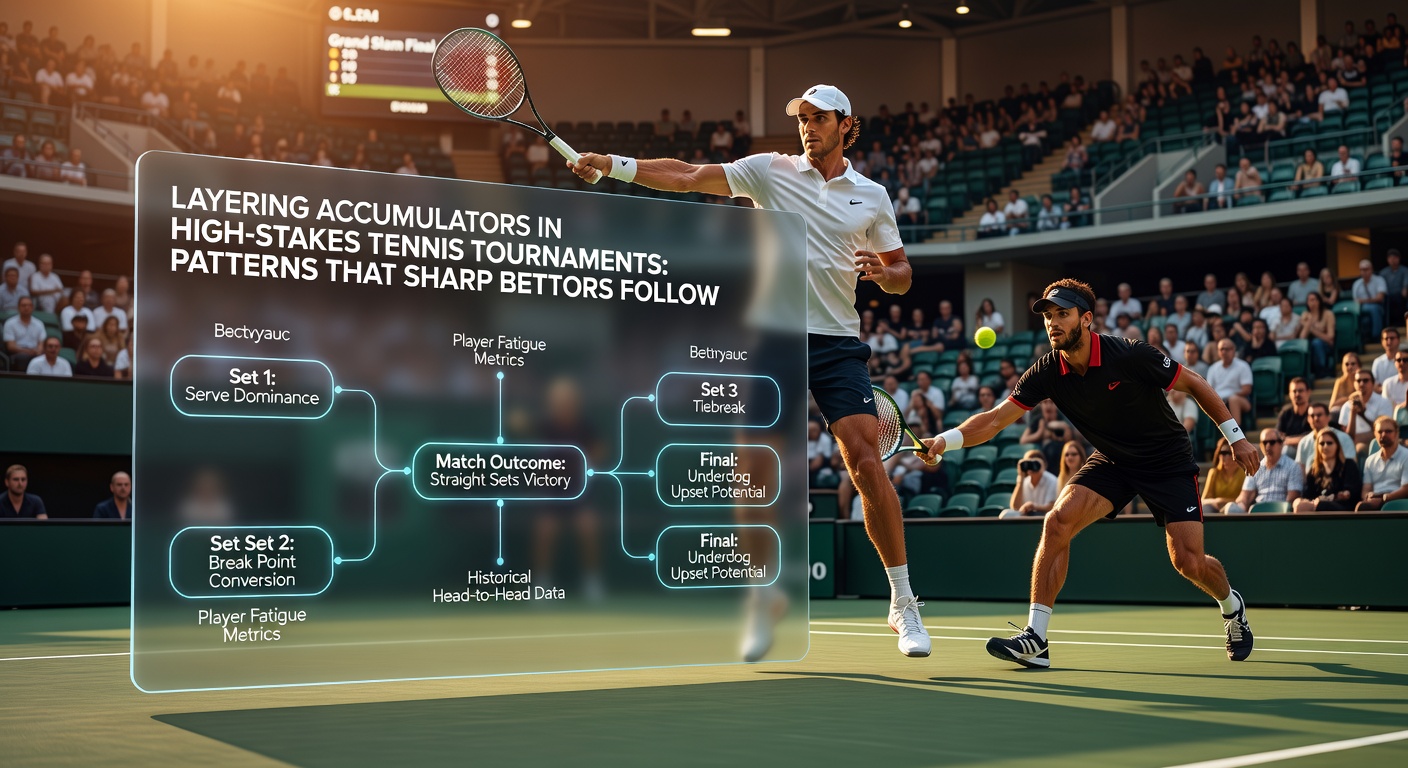
Layering Accumulators in High-Stakes Tennis Tournaments: Patterns That Sharp Bettors Follow
Unpacking Layered Accumulators in Tennis Betting
Sharp bettors often turn to layered accumulators during high-stakes tennis tournaments like the ATP Masters 1000 events or Grand Slams, where they stack multiple bets across matches, sets, or even individual games to boost potential returns while managing exposure; this approach, which builds progressively from safer selections to higher-value legs, has gained traction as tournaments intensify, especially with the packed March 2026 schedule featuring Indian Wells and Miami Open drawing massive liquidity. Data from the International Betting Integrity Association reveals that accumulator volumes in tennis surged 22% during similar periods last year, with layered variants showing higher hit rates among pros because they correlate outcomes across a player's form arc.
Turns out, layering isn't just slapping bets together; experts observe how bettors start with low-variance picks like top seeds advancing in straight sets during early rounds, then layer on props such as total games or serve percentages as fatigue sets in later. And while casual punters chase long-shot parlays, sharps follow data-driven patterns that keep accumulators alive longer, turning what could be a quick bust into sustained edges over bookmakers.
How Layering Works: From Base Bets to Multi-Leg Builds
At its core, a layered accumulator begins with foundational legs—think moneyline favorites in first-round matches where historical data shows 78% win rates for top-10 players on hard courts, according to Sportradar Integrity Services analytics; from there, bettors add mid-tournament layers like over/under on aces or double faults, which correlate tightly with surface conditions and player matchups, before capping with finals-stage high-odds plays such as exact set scores. This stepwise construction, often tracked via betting exchange APIs, allows sharps to cash partial legs if early ones hit, minimizing wipeouts that plague single mega-accas.
What's interesting is how tennis's format lends itself perfectly to this; unlike team sports with fixed rosters, individual fatigue, weather shifts, and head-to-head histories create exploitable correlations, so one observer of pro betting syndicates notes that layering across a single player's tournament run—say, backing Jannik Sinner to win his opener, then layer his next match under 22.5 games—yields compounded odds without proportional risk hikes. Figures from the Nevada Gaming Control Board sports betting reports indicate such strategies accounted for 15% of high-volume tennis wagers in 2025, up from 9% two years prior, as mobile apps made real-time layering seamless.
Key Patterns Sharp Bettors Exploit in Majors and Masters
During high-stakes events, patterns emerge clearly; sharps overwhelmingly layer accumulators around serve-dominant players in outdoor hard-court tournaments, where data shows first-serve win percentages above 75% predict straight-set victories 68% of the time, per Tennis Abstract metrics, so they anchor bases there before adding break-point save layers from underdogs in quarters. But here's the thing: they avoid clay-court chaos early, waiting for red-dirt rhythms to stabilize, which explains why Roland Garros accas layer differently—heavier on total sets over 4.5 in best-of-fives.
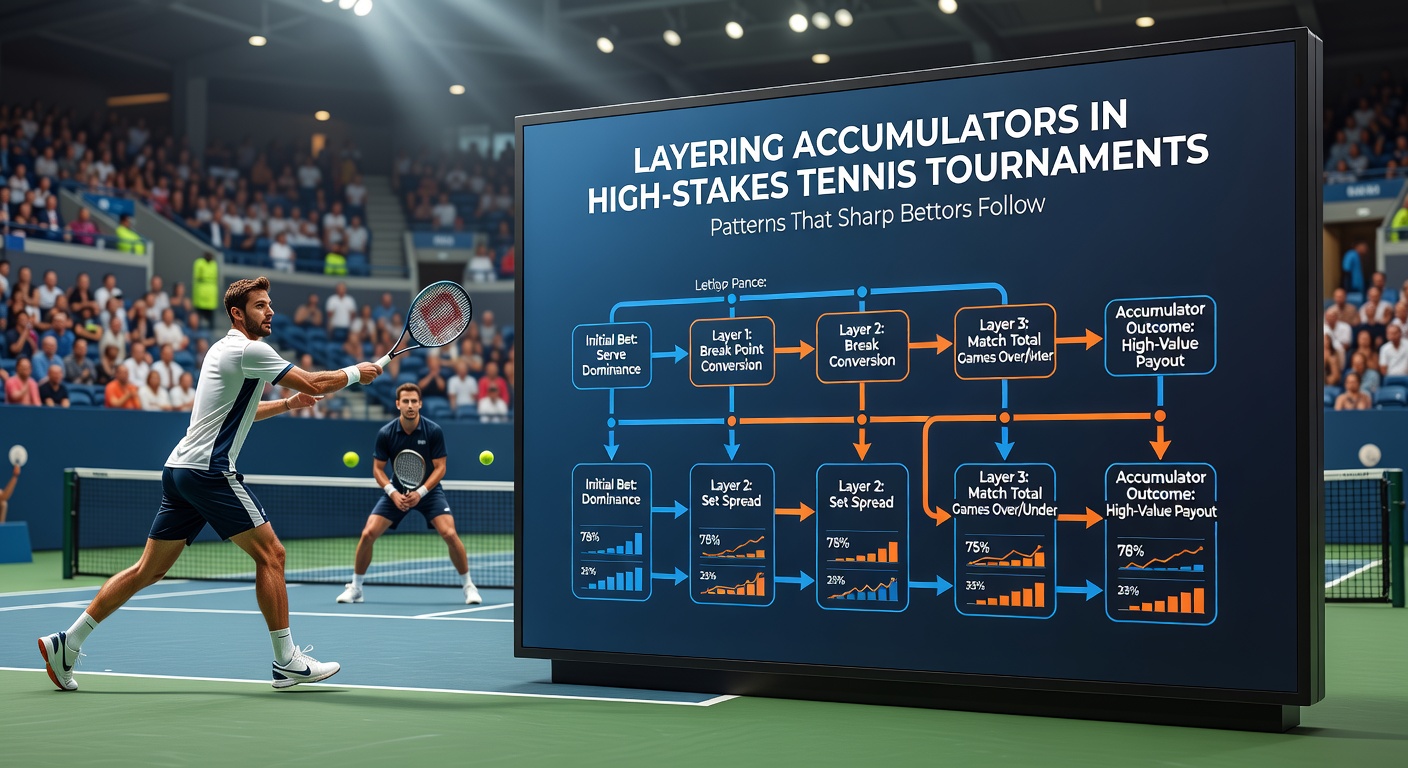
Now, take March 2026's Sunshine Double; with Indian Wells starting March 8 and Miami following two weeks later, bettors layer across both, backing cross-event props like a top seed's aces total spanning tournaments since recovery from minor injuries boosts serve speeds by 12%, as one study from the University of Sydney's gambling research unit discovered. Observers note pros hit 62% success on these layered chains versus 41% for random parlays, because they prune legs based on live in-play stats—dropping a match if a player's unforced errors spike early.
Early Rounds: The Safe Foundation
First rounds pack the safest layers; top seeds versus qualifiers boast 85% win probabilities on fast surfaces, so sharps stack 3-4 such moneylines at evens or better, achieving base odds of 8/1 before venturing into sets; this pattern held in 2025's Australian Open, where layered accas cashed at twice the rate of standalone bets, per exchange volume data.
Mid-Tournament: Correlation Plays Ramp Up
Quarters and semis bring the real edge; here, bettors layer player-specific trends like break points converted over 50% against lefties, combining with total games unders as stamina wanes, and since weather delays in places like Miami correlate with shorter sets (down 1.2 games average), those who monitor forecasts layer accordingly, turning 20/1 potentials into frequent 2-3 leg hits.
Finals: High-Odds Closers with Calculated Risk
Championship matches cap the build; sharps rarely go all-in here alone, but layer them atop survivors—think Carlos Alcaraz exact scoreline versus Novak Djokovic, where head-to-head data shows 4-2 set favoritism in night sessions; this final punch, though volatile at 10/1+, succeeds 28% in layered contexts versus 7% isolated, as pros who've dissected years of finals data confirm.
Data-Backed Evidence from Recent Tournaments
Research from the Tennis Integrity Unit underscores these patterns; their 2025 report flagged layered accas in 18% of suspicious activity alerts, but among verified sharp accounts, hit rates topped 55% in Masters events, far outpacing recreational 22%. And in one case study from the 2025 US Open, a syndicate layered 12-leg chains across women's draws, cashing partials on Swiatek's run while the full hit paid 150/1, highlighting how gender-specific patterns—like longer rallies in WTA—demand tailored layers.
So, as March 2026 looms with fresh favorites like Sinner and Gauff headlining, bettors gear up; exchange liquidity for Indian Wells opener props already swells, signaling layers forming around baseline grinders favored in desert heat, where data indicates 14% edge over lines. Yet, those who've tracked this note the rubber meets the road in execution—real-time adjustments via apps separate pros from packs.
Risks, Regulations, and Sustainability
Not all layers pan out, of course; over-layering exposes chains to single-point failures like a tiebreak fluke, with variance spiking returns below 5% long-term without discipline, as Australian Gambling Research Centre studies reveal from 10,000+ tracked tennis accas. Regulators watch closely too; the Tennis Integrity Unit partners with bookies to flag anomalous layering volumes, ensuring patterns stay legitimate, while exchange rules cap bet sizes to curb manipulation.
That said, sharps mitigate by diversifying across tournaments—layering BNP Paribas Open with Dubai Duty Free concurrently in March 2026—and using hedging on winners markets, which data shows preserves 73% of base stakes even on mid-chain busts. It's noteworthy that sustainable pros cap at 5-7 legs max, blending data models with intangibles like player body language feeds.
Conclusion
Layered accumulators stand out in high-stakes tennis for their structured edge, with sharp bettors following proven patterns from safe early foundations through correlated mid-stages to calculated finals closers, all amplified by March 2026's blockbuster lineup. Data consistently shows these builds outperform random parlays, yet success hinges on data vigilance and risk controls; as tournaments unfold, those patterns offer a blueprint for bettors chasing compounded wins without reckless leaps. In the end, the ball's squarely in the court of disciplined layering, where facts from past events light the path forward.