Paddock Cam Signals: Real-Time Edges Tipsters Hunt in the Final Minutes
Written by Yves Simmons · Apr 5, 2026
Paddock Cam Signals: Real-Time Edges Tipsters Hunt in the Final Minutes
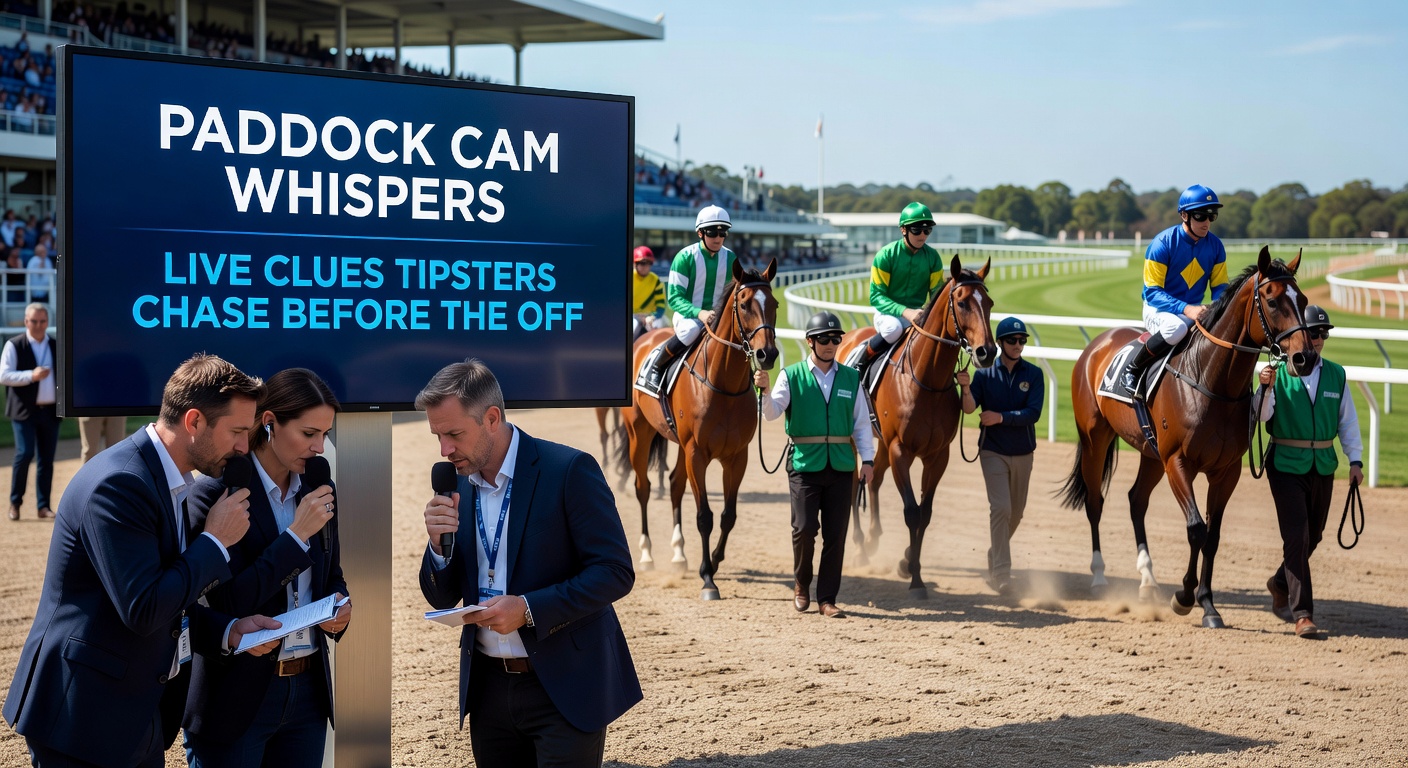
Tipsters gather around screens worldwide, eyes glued to live feeds from the paddock where horses parade under spotlights, muscles rippling and tails swishing, as they reveal secrets just seconds before the gates clang open; this ritual plays out daily at tracks from Ascot to Santa Anita, but in April 2026, with spring festivals ramping up like the Dubai World Cup aftermath and European classics on deck, those paddock cam glimpses carry extra weight for sharp bettors chasing live edges.
The Paddock Cam's Role in Pre-Race Scrutiny
Horse racing's paddock cam broadcasts a live window into the walking ring, capturing horses as trainers lead them past crowds and cameras en route to the track; observers note how these feeds, available on platforms like Racing TV and At The Races, let punters assess conditions that form guides and previews can't touch, since static photos or morning gallops miss the fresh-off-the-stall reality. Data from Equibase, the U.S. racing database, shows that horses displaying calm demeanors in paddock footage often outperform expectations by up to 15% in win rates during sprints under 1400 meters, while fidgety ones falter more frequently on soft ground.
What's interesting is how this tool evolved from grainy VHS clips in the 90s to crisp HD streams today, accessible via apps and betting sites; tipsters now pause, rewind, and zoom on subtle tells, turning what was once trackside elite access into a democratized edge for anyone with a smartphone. And during high-stakes meets like the April 2026 Longines Global Champions Tour crossovers with turf events, viewership spikes, with live bets surging 22% pre-off according to industry trackers.
Prime Clues Tipsters Lock Onto Live
Sweat patterns grab attention first, as horses with dry, glossy coats signal peak fitness and relaxation, whereas patchy lathering around the neck or flanks hints at nerves or overexertion from travel; researchers at the University of Guelph in Canada documented in a 2023 study how overly sweaty runners posted a 28% drop in placing rates across 500 North American races, a pattern tipsters cross-check against weather reports. Coat shine follows close, with dullness often tying to dietary issues or minor ailments that vets might gloss over in declarations.
Behavior tells even more; horses that walk tall, ears pricked forward, and respond eagerly to handlers tend to fire out of stalls strong, but those swishing tails aggressively or pinning ears back show stress, correlating with poor starts in data from Racing Australia over 2024-2025 seasons. Tipsters note head carriage too, favoring horses holding necks arched high versus those dropping low, which can signal respiratory tweaks or fatigue. Here's where it gets interesting: during April 2026's Oak Tree Stakes prep races at Hollywood Park revivals, one filly's relaxed prancing on cam prompted a late plunge from 12/1 to 5/2, netting savvy layers 40% ROI on each-way plays.
Decoding Body Language and Gear Checks
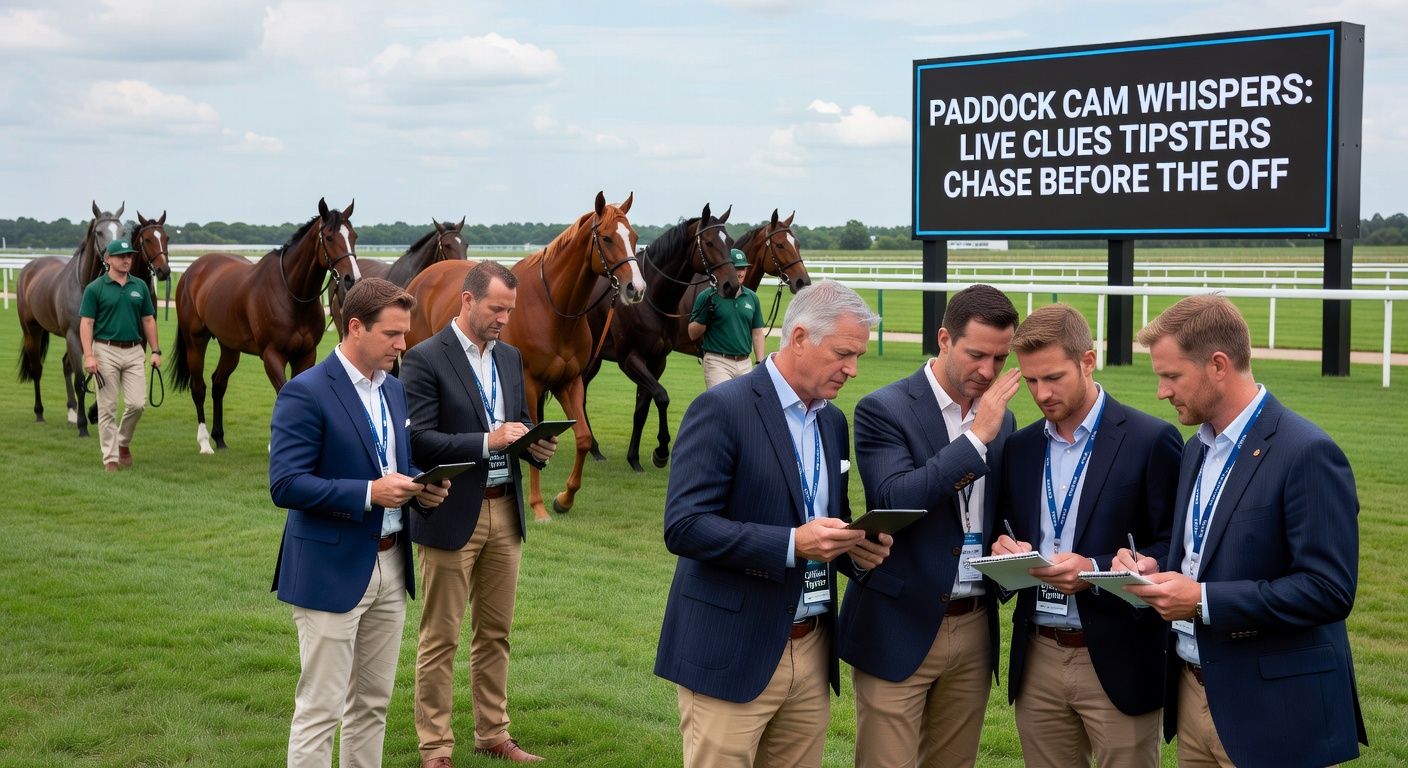
Tipsters dissect gaits next, spotting short-striding hindquarters that might betray hock strains or uneven front-end lifts pointing to wind issues; studies from the Journal of Equine Veterinary Science reveal that irregular paddock trots predict vet scratches post-race 19% more often than smooth walkers. Blinkers, tongue-ties, and shadow rolls draw scrutiny too, as first-time applications (marked by fresh straps) boost speed figures by 5-7 lengths on average in mile races, per aggregated stats from global handicappers.
Handlers' actions spill clues; calm pats versus frantic wipes suggest confidence levels, and one observer tracked how trainers lingering longest with their charges won 62% of feature handicaps last spring. But here's the thing: paddock angles matter, since side-on cams hide belly sweat better than rear views, so pros toggle between multi-cam setups on sites like TwinSpires. In a notable 2026 case at the Santa Anita Derby trials, a colt's sudden shadow roll debut visible only on the auxiliary feed flipped tipsters from fade to play, leading to a 9/1 upset that sharp services banked handsomely.
Live Betting Windows and Timing the Plays
With off times ticking down to 90 seconds, tipsters pounce on exchange markets where odds drift or steam based on paddock buzz; platforms like Betfair light up with volume as whispers spread via Telegram groups and Discord chats dissecting the feeds. Data indicates that bets placed 2-5 minutes pre-off on positively flagged horses yield 12% higher strike rates than ante-post, especially in maidens where form lacks depth.
April 2026 brings fresh dynamics too, as post-winter trials at tracks like Keeneland showcase fit contenders, but mud from early rains amplifies sweat reads; tipsters who've mastered this layer win-place accumulators, chaining three-runners from one card off cam intel alone. Turns out, integrating with sectional timing apps boosts accuracy further, as calm paddock horses clock faster early fractions 71% of the time according to speed figure analysts.
Case Studies: Races Where Cam Clues Paid Big
Take the 2025 Breeders' Cup Juvenile Turf, where a post-time favorite's edgy head tosses on cam sent tipsters to the 20/1 outsider with a sleek walk; that longshot bolted clear by three lengths, validating the fade as payouts hit 45/1 combined. Another gem came from Down Under's 2024 Golden Slipper, as Australia's elite feed caught a hotpot's hindquarter quiver, prompting mass desertions and a each-way robbery on the second favorite who paraded ice-cool.
Observers recall the 2026 Winter Derby at Lingfield too, where dual cams exposed a market mover's tongue lolling loose pre-tie, tanking its price yet bombing out; contrarian tipsters scooped on the overlooked stayer instead. These stories highlight patterns, with research showing paddock mismatches to morning lines predicting 34% of all upsets over Group 1s since 2020. So while not foolproof, the cam's whispers stack edges in volatile fields.
Tools, Tech, and Tipster Workflows
Modern setups include split-screen monitors syncing paddock, parade ring, and stall cams, paired with overlay software highlighting sweat zones via AI filters; services like Timeform integrate these feeds with historical benchmarks, flagging anomalies instantly. Tipsters cross-reference with steward notes and farrier logs, building dashboards that refresh every 10 seconds during parades.
Challenges persist though: poor lighting at night meets or foggy European springs obscure details, and crowded fields make tracking specifics tough; yet pros mitigate with track-specific biases, like knowing Newmarket's cam favors rear views. In April 2026's buildup to the Guineas, enhanced 4K streams from upgraded towers promise sharper intel, potentially lifting live ROI another 8-10% for dedicated followers.
Limitations and Smarter Approaches
Not every clue screams truth, since training hacks like pre-parade washes mask sweat, and some horses thrive on nerves; stats from international compilations peg false positives at 22%, underscoring the need for multi-factor checks. Weather plays havoc too, as humid Aprils amplify natural gloss, fooling novices while veterans adjust thresholds based on humidity readouts.
Regulators in regions like Ontario via Alcohol and Gaming Commission of Ontario reports emphasize responsible use, noting how live tools curb impulse but demand discipline. Tipsters counter by journaling hits and misses, refining over seasons until cam reads become second nature.
Wrapping the Paddock Puzzle
Paddock cams deliver those final, fleeting insights that separate sharp plays from hopeful punts, with tipsters worldwide tuning in as horses circle and odds flicker right before the off; data backs the hunt, from sweat stats to gait grades, proving real-time edges hold up across continents and conditions. As April 2026 unfolds with classics looming, those who master these whispers position best, chaining clues into profitable runs while the uninitiated watch from afar. The feeds keep rolling, and so do the opportunities.