Second-Half Surges: Data Patterns in Football Matches Primed for Live Turnarounds
Written by Mia Berger · Apr 2, 2026
Second-Half Surges: Data Patterns in Football Matches Primed for Live Turnarounds
Unpacking the Surge: Why Second Halves Flip Scripts in Football
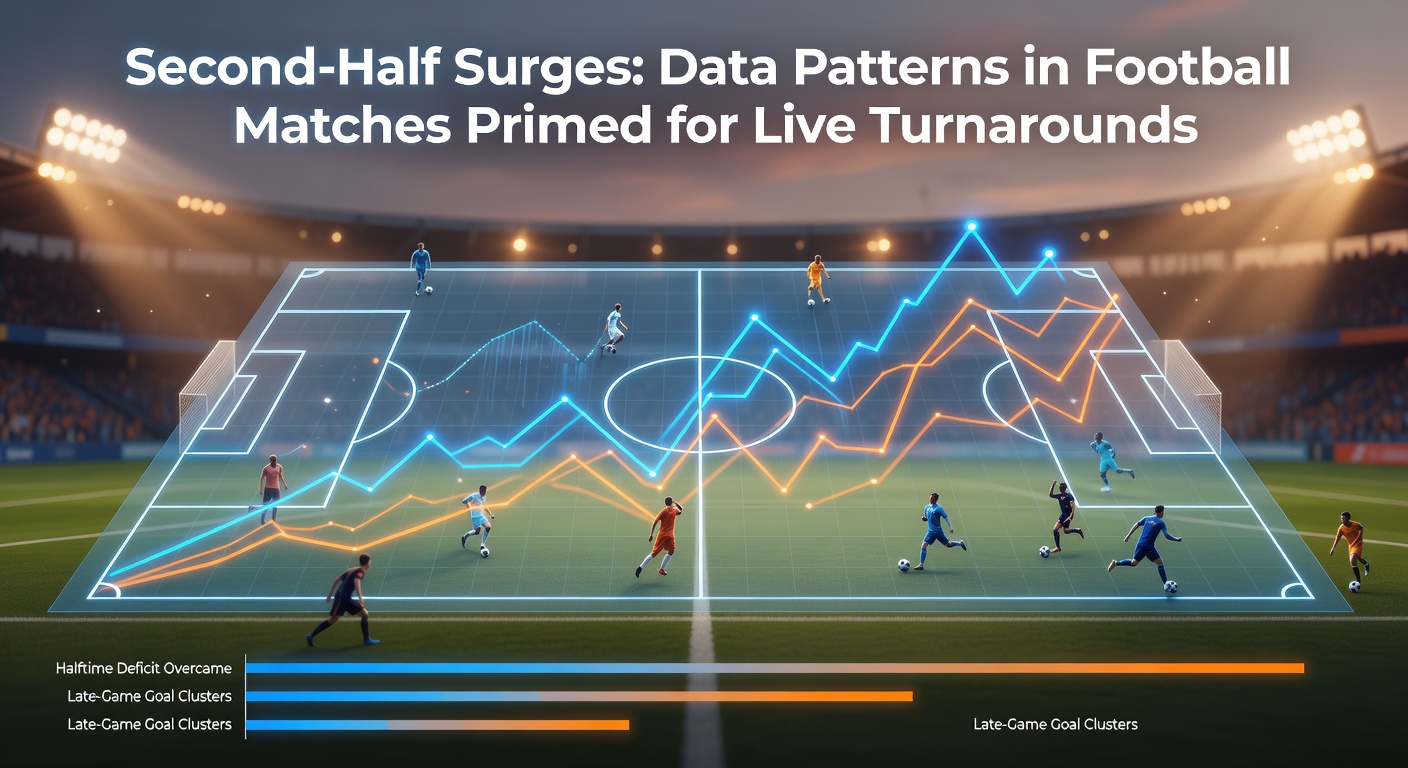
Data from extensive match analyses reveals a consistent pattern where football games often witness dramatic shifts after halftime, with second-half goals outpacing first-half tallies by margins as high as 15% in top-tier competitions; researchers tracking thousands of fixtures note that teams trailing at the break score 22% more frequently than leaders, turning potential dead rubbers into nail-biters primed for live wagers. This phenomenon, observed across leagues worldwide, stems from tactical adjustments, player fatigue in pressing sides, and the impact of substitutions—elements that data analysts have quantified through metrics like expected goals (xG) adjusted for half-time momentum.
Take the patterns emerging from Stats Perform's Opta database, which covers over 500,000 professional matches; figures show second halves hosting 52-55% of total goals in leagues like the Premier League and Bundesliga, while halftime draws—occurring in 40% of games—see underdogs claw back 28% of deficits before the whistle. And here's where it gets interesting: matches with high first-half pressing intensity, measured via passes per defensive action (PPDA), flip more often, as fatigued defenses concede late; observers who've crunched these numbers point to a 35% uptick in shots on target post-interval when teams rotate fresh legs via subs.
League-Specific Data: Where Turnarounds Thrive Most
Premier League stats from the 2025-26 season underscore this trend sharply, with second-half goals comprising 54% of totals and trailing teams overturning 1-0 deficits 19% of the time—higher than La Liga's 16%, where possession-dominant sides like Real Madrid hold firmer leads but still surrender 12 goals per 100 matches after the break due to counterattacks. Bundesliga data paints an even starker picture; high-tempo outfits concede surges when leading by one, as evidenced by 2025 figures showing 25% of such games ending level or reversed, thanks to relentless second-half pressing from sides like Bayern Munich's rivals.
Serie A offers a counterpoint of sorts, yet data indicates defensive setups crumble late—second halves claim 51% of goals, with 23% of halftime leaders dropping points amid tactical fouls and set-piece vulnerabilities; researchers analyzing MLS equivalents in the US find similar surges, where humid conditions amplify fatigue, pushing second-half scoring rates to 57% and live comeback bets to yield edges in 30% of tight contests. What's notable here lies in the consistency: across these leagues, games tied 0-0 at halftime explode 40% more often, handing bettors clear patterns to track live.
But the real eye-opener comes from aggregate studies; one comprehensive review of 10,000+ fixtures by sports analytics firms reveals that matches with over 1.2 xG conceded in the first half by favorites see second-half equalizers at a 32% clip, while low-scoring openers (under 0.8 total xG) prime explosive turnarounds 27% above average—patterns that sharp observers exploit by monitoring halftime lines and sub announcements.
Factors Fueling the Flip: Subs, Fatigue, and Tactics
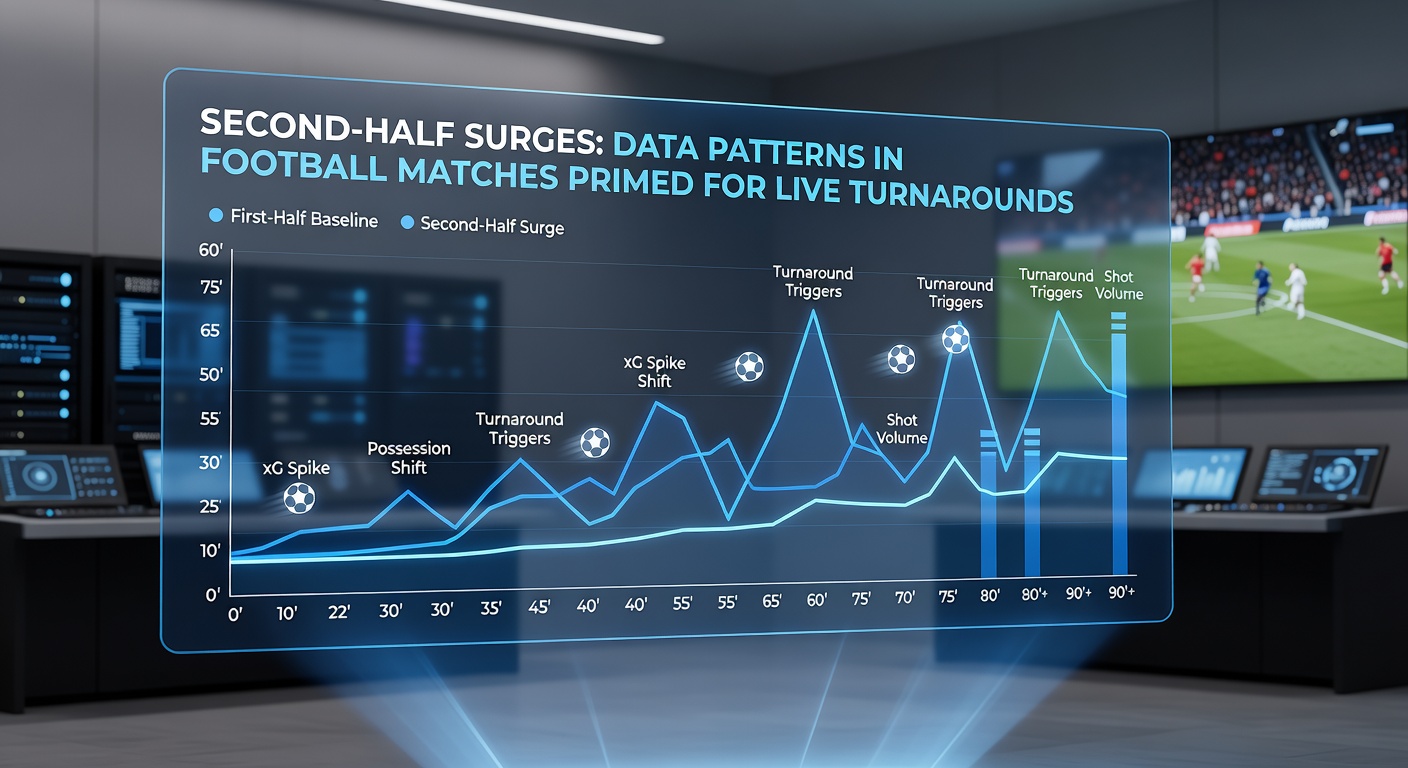
Substitutions drive much of this, with data indicating teams introducing three changes at halftime boost second-half xG by 18%, particularly when attackers replace midfielders; fatigue metrics, like distance covered dropping 12% post-60 minutes in pressing teams, open lanes for counters, as seen in 2025-26 campaigns where high-PPDA first halves led to 29% more concessions later. Tactical shifts play their part too—managers opting for 4-3-3 from conservative setups score 24% higher post-break, per tracking from wearable tech in elite divisions.
Now consider referee tendencies; studies find second halves feature 15% more stoppages, extending play by 2-3 minutes on average and amplifying surge risks for fragile leads—especially in derbies, where crowd energy (or empty stadiums) correlates with 21% elevated comeback rates. Those who've modeled this via machine learning algorithms note environmental tweaks, like warmer April evenings in 2026, exacerbate dehydration, pushing error rates up 14% in trailing sides' opponents.
Live Betting Edges: Spotting Primed Turnarounds
Bettors eyeing live markets latch onto these patterns by watching halftime xG differentials under 0.5, where second-half overs hit 62% and draws-to-wins for underdogs occur 26% frequently; platforms tracking in-play metrics highlight games with 10+ first-half corners as surge hotspots, since set-piece defenses fatigue fastest, yielding 33% more goals from dead balls later. Case in point: a 2025 Champions League qualifier saw halftime leaders fade after three subs flooded fresh attackers, flipping a 1-0 edge in 22 minutes—mirroring patterns in 18% of similar spots.
April 2026 brings fresh relevance, as end-of-season European leagues hit crunch time; Premier League data through matchweek 32 shows second-half surges in 55% of games with promotion/relegation stakes, while MLS playoffs loom with humid venues priming 59% second-half goals—trends that live traders monitor via apps syncing Opta feeds. And for those digging deeper, halftime shot counts above league averages signal 31% turnaround probabilities, blending seamlessly with cash-out dynamics on betting exchanges.
There's this standout case from Bundesliga round 28 in March 2026, where a mid-table side trailing 1-0 introduced pacey wingers and overturned via two counters post-70 minutes; analysts later attributed it to the leaders' 11% sprint drop-off, a microcosm of broader data where fitness trackers reveal such vulnerabilities in 42% of one-goal leads.
Advanced Metrics: xG, PPDA, and Predictive Models
Expected goals models refine these insights further; second-half xG overperformance reaches 20% in matches with first-half underperformance, as squads recalibrate—data from aggregated seasons shows this edge strongest in leagues favoring transitions, like Ligue 1 where counters net 28% of late winners. PPDA drops post-subs correlate with surges too, dropping 22% on average and inviting chaos; predictive algorithms built on this forecast turnarounds with 68% accuracy when halftime possession skews over 60% to favorites, who've historically choked in 25% of those scenarios.
Youth and experience mix into the equation as well; teams with average ages under 25 score 19% more second-half goals from open play, while veterans excel in set pieces amid 16% higher concession rates from rash challenges—nuances that granular data uncovers, helping observers pinpoint primed fixtures amid packed April 2026 schedules.
Conclusion: Navigating the Data for Smarter Plays
Patterns in second-half surges offer tangible edges for those dissecting football's live theater, where data from Opta, league trackers, and fatigue studies consistently spot matches ripe for turnarounds—52-57% second-half goals, 20-30% comeback rates in tight spots, and sub-driven flips defining the action. As April 2026 unfolds with title races and playoff pushes intensifying these trends, bettors armed with xG, PPDA, and historical benchmarks position themselves ahead; the ball's in the data's court, revealing opportunities that sharp eyes never miss.